


Article Summary
- 93% of customers look at various platforms to find contractors before making a decision — if you're not visible, you're losing jobs to competitors who are.
- Most clicks are captured by Page 1 of Google; being on Page 2 is essentially the same as not being ranked at all.
- A roofing contractor went from no online visibility to being on Page 1 in just 3 months using a planned local SEO and content amplification strategy.
- Organic search rankings provide a better long-term return on investment than paid ads — traffic doesn't stop when your budget does.
- Continue reading to learn exactly what steps were taken, why content amplification isn't the same as regular blogging, and whether this approach works in your trade and market.
If your contracting business isn't on Page 1 of Google, you're invisible to the customers who are actively looking for the services you offer.
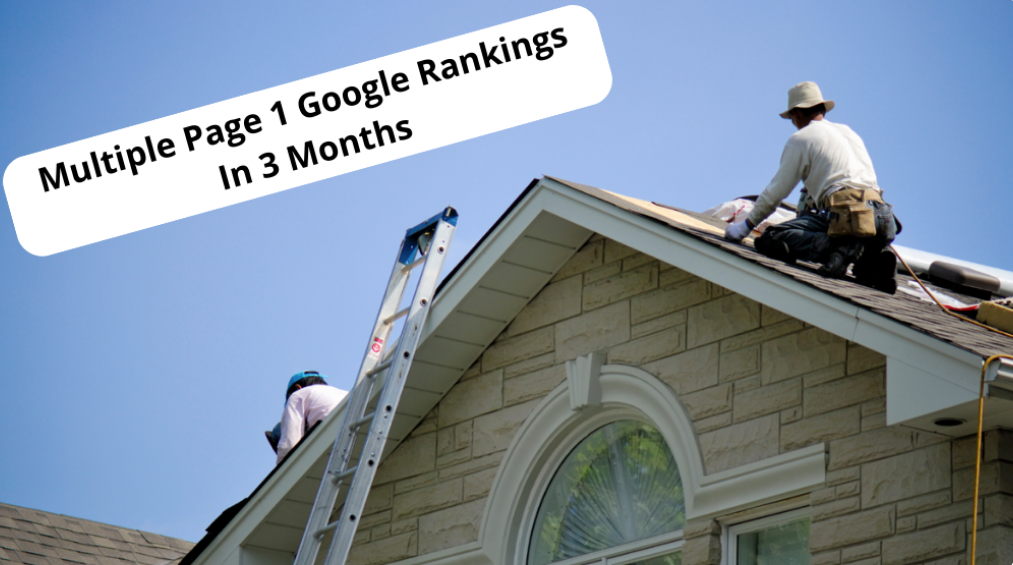
Many contractors create a website, cross their fingers, and then can't figure out why they're not getting any calls. The unfortunate reality is that just having a website doesn't cut it anymore. Your competition is putting money into local SEO, content marketing, and being visible on multiple platforms — and they're stealing your leads. WWW Agency Services by NJLocalinfo.com specifically helps local contractors and service businesses solve this problem using a method that's been proven to work.
Why Being Invisible Online Is Costing You Jobs
Homeowners no longer look through directories or ask their neighbors for contractor recommendations. Instead, they take out their phones and search. If your business isn’t showing up in those search results, you’re not even part of their decision-making process.
Here's what most contractors are struggling with at the moment:
Here are some common mistakes contractors make with their marketing:
- They don't optimize their Google Business Profile, or they leave it incomplete and unverified
- They build a website and then never update it
- They don't create location-specific or service-specific content that targets the searches customers actually make
- They don't have a presence on secondary platforms like YouTube, Facebook, or emerging AI tools like ChatGPT
- They rely entirely on word-of-mouth or paid ads, and don't build an organic foundation
Word-of-mouth is great, but it won't help you grow. Paid ads can work, but only as long as you're willing to pay for them. Neither of these strategies will build the kind of long-term visibility that keeps your phone ringing month after month without ongoing ad spend.
The contractors that are leading in their local markets aren't necessarily more skilled at their trade. They're just better at being discovered. And that's a problem that can be solved.
The Importance of Google Page 1 for Contractors
It's not an overstatement to say that being on the first page of Google search results is crucial. The data on search click behavior backs this up — most people don't bother looking beyond the first page of results. This is especially true for local service businesses like contractors, where search intent is high. When someone types “roof repair near me” or “landscaping contractor in [city]” into the search bar, they're not just browsing. They're ready to pick up the phone and make a call.
The Role of Local Search Behavior in Generating Contractor Leads
When a local search is conducted, Google displays what it refers to as the Local Pack. This is a map-based result that appears above the organic listings. For searches related to contractors, these three spots receive a significantly higher number of clicks. When you combine a strong Local Pack presence with a Page 1 organic ranking, you effectively exclude competitors from the search conversation.
Why Being on Page 2 is Like Being Invisible
Being on Page 2 might seem like it’s not that far from Page 1, but it might as well be a million miles away. Research into how people use search engines shows that almost nobody ever goes to Page 2. For a contractor, this means that being the 11th result instead of the 10th is like the difference between being seen and being invisible. The difference between Page 1 and Page 2 isn’t just a small step — it’s a giant leap.
How Paid Ads and Organic Rankings Affect Long-Term ROI
Google Ads can quickly get you to the top of Page 1 — but only as long as you're willing to pay. The moment you stop paying, your visibility disappears. On the other hand, organic rankings that are built through local SEO and content marketing continue to work for you 24/7, and they compound over time. For most contractors, the long-term ROI on organic search is significantly better than paid advertising, especially once the foundation has been laid.
The Contractor Marketing Plan That Achieved Page 1 Rankings in 90 Days
A Texas roofing contractor came to us with no online presence — they had no search engine rankings, no consistent leads, and no way to compete with the big dogs in their city. After 3 months, they were ranking on Page 1 for several high-value local keywords. After a year, they had 23 content campaigns under their belt, and the company had built a self-sustaining engine for inbound leads.
None of this was a fluke. It was due to a calculated, step-by-step plan that was carried out correctly.
Step 1: Prioritize Google Business Profile Optimization
Before creating any content, the Google Business Profile (GBP) was fully developed and optimized. This is the most important starting point for any local contractor because GBP directly impacts Local Pack rankings. This involves accurate categories, service descriptions, service areas, photos, and a review generation strategy — all set up before the broader campaign begins.
Step 2: Localized Content Focused on Specific Services and Locations
Generalized content doesn't rank well in local searches. What does work is content that is tailored around specific service and location combinations — think “flat roof replacement in [specific city]” rather than just “roofing services.” Each piece of content was designed to answer the exact questions that customers in that area were already asking, aligning perfectly with search intent and giving Google a clear signal about what the business does and where it does it.
Step 3: Content Amplification Campaigns That Boost Rankings
Just creating content isn't enough. If you just publish it and leave it, it won't improve your rankings in competitive markets. Content amplification is about taking each piece of content and spreading it across multiple platforms — Google, YouTube, Facebook, Spotify, TikTok, and even AI platforms like ChatGPT — so that the content gets authority signals from multiple sources at the same time. For the Texas roofing contractor, this multi-platform approach is what sped up the process from “eventually ranking” to Page 1 in 3 months.
Step 4: Regular Updates to Maintain and Grow Authority
It takes more than one good piece of content to establish a strong online presence. Consistency is key. Google favors businesses that show continual relevance by regularly publishing high-quality content. Each new campaign builds on the last, leading to a snowball effect where your authority on a subject or service area grows stronger over time. This is why the roofing contractor saw better results each month — the 23rd campaign was more effective than the first because it was built on a solid foundation.
Step 5: Rebuild Your Website to Make the Most of Your Traffic
It's pointless to direct traffic to a website that isn't well constructed, much like pouring water into a bucket with a hole in it. If your website is slow to load, not optimized for mobile use, or lacks clear calls to action, the leads you've worked hard to generate will leave without getting in touch with you. A website rebuild is all about speed, clarity, and conversion. It ensures that every visitor who lands on your site has a clear and easy way to call you or request a quote.
Many contractors tend to overlook this step, believing their current website is “sufficient.” However, sufficient doesn't lead to conversions. A website that is specifically designed to generate contractor leads, complete with service pages, location pages, trust indicators like reviews and certifications, and easily visible phone numbers, can significantly boost the returns on all other marketing endeavors you undertake.
Decoding Content Amplification for Contractors
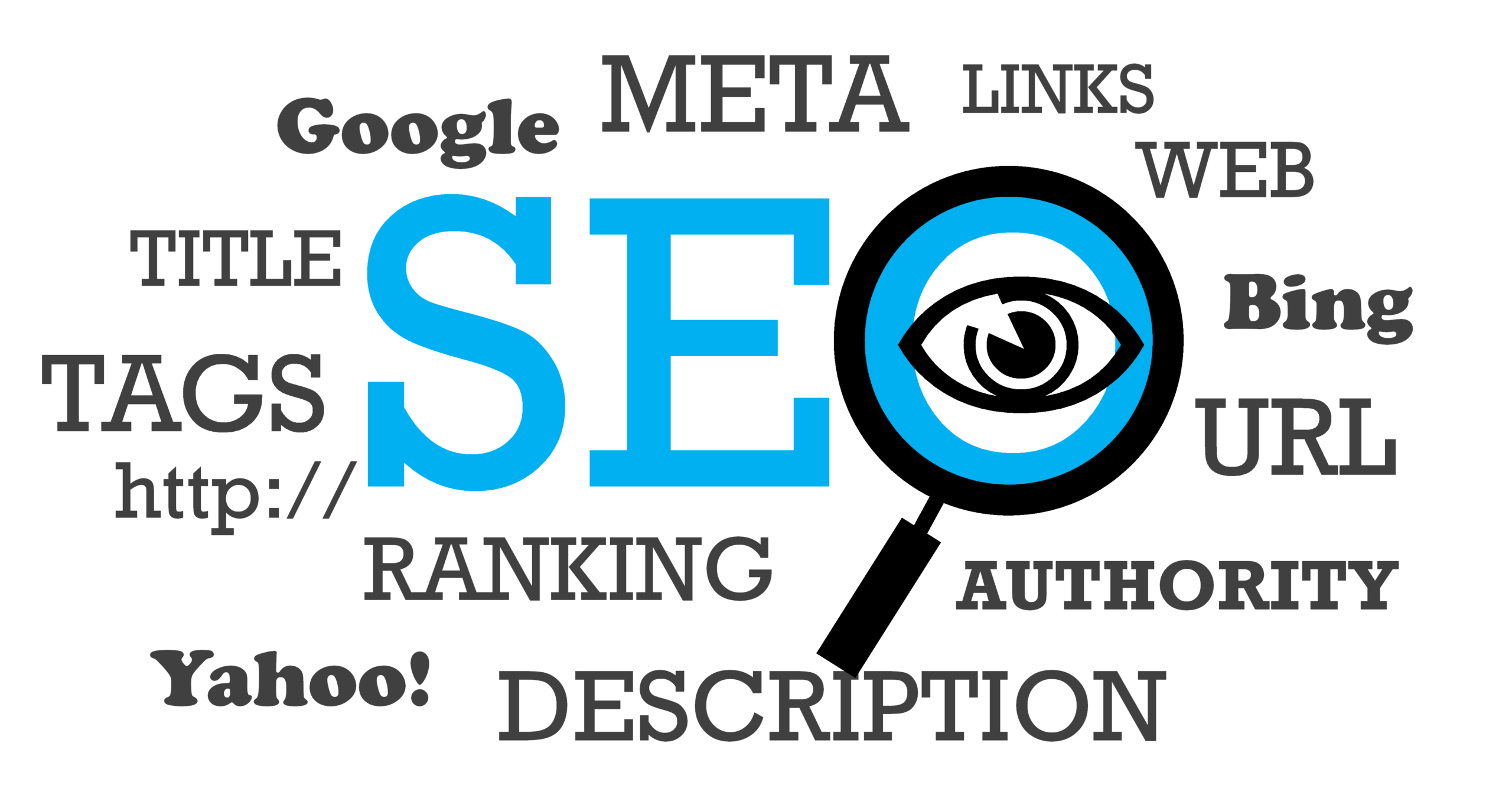
Content amplification is a phrase that is often misused, so let's clarify. It's not simply posting a blog post on Facebook. Genuine content amplification involves reshaping and republishing your main content in at least 8 different formats — written articles, videos, audio/podcasts, social posts, and more — and distributing those formats to over 300 platforms where your potential customers are already active.
How It Differs From Just Posting a Blog
Simply putting up a blog post on your website and waiting for it to be discovered is not enough. An amplified content campaign takes that same core message and puts it in front of people on YouTube, in their podcast feed, on their social media scroll, and increasingly inside AI tools like ChatGPT that are becoming a primary research destination. The result is dramatically more touchpoints, more authority signals pointing back to your business, and a far greater chance of being the contractor a potential customer remembers when they're ready to hire.
Why Competitive Industries Like Roofing Require More Than Just a Website
For industries like roofing, the local search visibility competition is fierce. Long-standing companies have years of domain authority, hundreds of reviews, and continuous marketing budgets. A new or expanding contractor attempting to compete with just a website and infrequent social posts is at a disadvantage from the get-go.
Being present across multiple platforms levels the playing field. When your business is consistently showing up on Google, YouTube, social media, and AI platforms, you create the illusion of dominance — even if you're a small operation. Customers who see your brand in multiple places naturally see you as the established, trustworthy choice. That perception directly turns into more calls and more jobs.
The Results After One Year and 23 Campaigns
In just one year, a roofing contractor in Texas went from being virtually unknown to consistently ranking on the first page for multiple high-value local keywords. They published 23 structured campaigns, each one building on the authority established by the last. Their lead generation went from being unpredictable and dependent on referrals to being consistent and inbound. Instead of chasing after customers, customers were finding them. This is the compounding growth cycle that separates contractors who are able to scale their business from those who remain stagnant.
Who Stands to Gain the Most from This Strategy
Any contractor who operates in a specific geographic area where customers typically search online before hiring can benefit from this strategy. The more competition you have in your trade and area, the more important it becomes to use a structured, multi-platform approach. If you're in a rural market with little competition, you may see results quickly with a lighter approach. However, if you're in a mid-to-large metro area, you'll need to use a full-stack strategy to stay competitive.
Roofing, Landscaping, and Home Improvement Are Perfect Matches
Roofing, landscaping, HVAC, plumbing, general contracting, and home improvement services all have the same search behavior pattern — customers have an urgent need, they search locally, and they call the first credible option they find. These trades are ideal for local SEO and content amplification because the search intent is high and the conversion value per job is high. A single new roofing customer won from organic search can be worth thousands of dollars, making the return on a content marketing investment significant.
How Local Service Area Targeting Can Change the Game
Simply targeting “roofing contractor” as a keyword is too general to stand out in a competitive market. However, targeting “roofing contractor in Plano, TX” — now that's a game-changer. Local service area targeting involves creating content and optimization signals around the specific cities, neighborhoods, and zip codes you actually serve. When a homeowner in your service area searches for your services, your business appears because you've repeatedly shown Google that you serve that exact location. Broad targeting dilutes your authority. Hyper-local targeting focuses it where it's most effective.
Don't Waste Money on Ads That Only Work When You're Paying
There's no doubt that Google Ads and paid social can quickly generate leads. But the problem is, they only work when you're paying for them. As soon as you stop funding them, your visibility goes to zero. You get nothing from a paid campaign. No rankings, no residual traffic, no compounding returns.
Organic search is a whole different ball game. Every optimized piece of content you publish, every platform you build a presence on, every campaign you amplify — they all keep working. The rankings you earn through quality content and strategic SEO don't just disappear when you stop writing a check. They keep building up. The third month looks better than the first month. The twelfth month looks dramatically better than the third month.
If you're a contractor wondering where to invest your marketing budget, the real question isn't whether paid ads will give you immediate results. It's whether you want to continue paying for visibility indefinitely, or if you want to start building something you can call your own. The contractors who come out on top in the long run are the ones who use paid ads as part of a strategic plan, while also building an organic base that will decrease their reliance on ad spend over time.
- Paid Ads: Fast results, zero residual value, ongoing cost required
- Local SEO + Content: Slower start, compounding returns, traffic you own
- Content Amplification: Accelerates organic growth by building authority across multiple platforms simultaneously
- Google Business Profile: Free to use, massive impact on local visibility, most contractors have it set up incorrectly
- Multi-Platform Presence: 93% of buyers research before hiring — showing up in one place isn't enough anymore
Frequently Asked Questions
Contractors who are new to digital marketing often have the same core questions before committing to a strategy. The answers below cut through the noise and give you a realistic picture of what to expect. For more information, you can visit WWWAgencyServices.com.
How Quickly Can a Contractor Make it to the First Page of Google?
By using a well-planned strategy, starting with optimizing your Google Business Profile, then creating very targeted local content, and finally amplifying it across multiple platforms, a contractor can make it to the first page of Google for certain local keywords in as little as 3 months. This isn't a promise for every keyword in every market, but it's a proven result for contractors who use a structured, consistent method. More competitive markets and broader keywords naturally take more time, but targeted local terms are quite achievable in that timeframe.
Understanding Content Amplification and Its Benefits for Contractors
Content amplification involves repurposing a primary piece of content — such as an article, a service page, or a how-to guide — and disseminating it across a variety of formats and platforms. This ensures that your content is accessible to your audience wherever they may be searching, not just on Google.
If you're a contractor, this means your content could be published as a written article on your site, turned into a YouTube video, distributed as a podcast episode on Spotify, shared across Facebook and TikTok, and indexed by AI platforms like ChatGPT. Every time you distribute your content, it creates a new opportunity for a potential customer to discover your business and builds another authority signal pointing back to your website.
Real-World Example: The Texas roofing contractor referenced throughout this article used content amplification across 300+ platforms over the course of 23 campaigns. The result was Page 1 rankings for multiple high-value local keywords, consistent inbound lead generation, and a self-feeding growth cycle where each new campaign reinforced the authority built by previous ones. No paid ads. Pure organic visibility built through structured content and amplification.
Is Local SEO Better Than Google Ads for Contractors?
Local SEO is better for long-term ROI. Google Ads is better for immediate, short-term lead generation. The smartest contractors use both — running targeted ads while simultaneously building organic rankings — then gradually reduce ad spend as organic traffic grows. The end goal is a marketing engine where the majority of your leads come from owned organic visibility, not rented ad space.
Will I Need to Overhaul My Website to Improve My Rankings?
It's not always necessary, but it's often the case. If your website is slow, doesn't work well on mobile, or doesn't have specific pages for your services and locations, it will hold back your rankings — regardless of how great your content is. Google considers page experience, load speed, and mobile usability when determining rankings.
A website rebuild is not about making your site look prettier. It's about making it work as a conversion tool. This means it loads quickly, has clear calls to action, has individual pages for each service and each location you serve, shows trust signals like reviews and licenses, and is structured in a way that makes it easy for both Google and potential customers to understand exactly what you do and where you do it.
Does this strategy work for contractors not based in Texas?
In a nutshell: Yes — location doesn't matter. What matters is the competition and how well you execute the strategy.
The strategy that got the Texas roofing contractor to Page 1 is based on the fundamental principles of local SEO, content marketing, and distribution across multiple platforms. These principles work whether you're a plumber in Chicago, a landscaper in Phoenix, or a general contractor in New Jersey.
The level of competition and the specific keywords worth targeting can vary from one market to another. A roofing contractor in a major metropolitan area will face stiffer competition than one in a smaller city. However, the strategy remains the same. The difference lies in the depth and volume of content campaigns needed to establish authority in a more saturated market.
The behavior of the buyers you're trying to reach doesn't change. Homeowners in every state search Google before hiring a contractor. They check Google Business Profiles, read reviews, visit websites, and increasingly ask AI tools for recommendations. A contractor who shows up consistently across all of those touchpoints wins the job, regardless of location.
The strategy is tried and true. What matters is how you implement it — and that starts with a fully optimized Google Business Profile, creating ultra-specific local content, and consistently promoting that content across platforms. As the months go by and campaign after campaign is launched, the rankings increase and the leads start to come in.
Know this business? Click here to leave a quick testimonial.
All businesses listed are independently operated. While we aim to provide accurate information, please verify each provider’s credentials, licensing, and insurance directly before hiring.
|
Get The Biggest & Best Traffic For Your BusinessClick Here – Let Us Scale Your Organic Traffic with Our AI Busting SEO Service |
Listen to the podcast below for more details …
Visit our Agency Services Website (AgencyServicesGRP.com) for more details.
NJ Local Business Directory Listings By Town
Find local businesses and services serving your community throughout New Jersey. [Get Listed]
Advertise your local business in New Jersey here on our NJ Business Directory & Classifieds Ads section of NJLocalinfo.com. [Get The Benefits of Listing]
|
GetThe Biggest & Best Traffic For Your BusinessClick Here – Let Us Scale Your Organic Traffic With Our AI Busting SEO Service. |
Audio Message For Business Owners Below …
Visit our Agency Services Website (AgencyServicesGRP.com) for more details.

